Has RTI Been Weakened in India and What Are the Concerns Around PM CARES Fund? A Balanced Analysis
A balanced analysis of whether the RTI Act in India has weakened and the transparency concerns surrounding the PM CARES Fund. Explore key debates, legal changes, and accountability issues in India’s democratic framework.
Introduction
Transparency and accountability are fundamental pillars of any democratic system, especially in a country as large and diverse as India. Citizens must have the right to know how decisions are made, how public money is spent, and how policies impact their lives. The Right to Information (RTI) Act was introduced with precisely this purpose—to empower citizens with access to information.
Over the years, RTI has become a powerful tool for journalists, activists, and ordinary citizens. However, recent debates have raised concerns about whether RTI has weakened and whether institutions are as transparent as they once were. Alongside this, the PM CARES Fund has also come under scrutiny regarding transparency and accountability.
This article presents a balanced, fact-based analysis of both issues.
Understanding the RTI Act
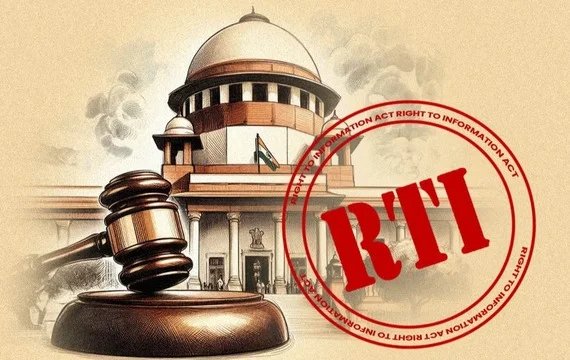
The Right to Information Act, 2005 was enacted to promote transparency in government functioning. It allows citizens to request information from public authorities regarding records, decisions, and expenditures.
Since its implementation, RTI has played a key role in exposing corruption, improving governance, and strengthening democratic participation. It gave ordinary citizens the power to question authority directly.
Current Status of RTI: What Has Changed?
RTI Still Exists and Functions
It is important to clarify that the RTI Act is still in force. Citizens continue to file applications and receive responses. Thousands of RTI requests are processed across the country regularly.
Therefore, it would be inaccurate to claim that RTI has been abolished or rendered completely ineffective.
Impact of the 2019 Amendment
A major turning point came with the RTI Amendment Act of 2019. This amendment gave the central government the authority to determine the tenure and salaries of Information Commissioners.
Critics argue that this change could affect the independence of the Information Commission, as earlier these terms were fixed and more insulated from executive control.
The government, however, described it as an administrative reform. Despite this, concerns about institutional autonomy have remained part of public debate.
Delays and Backlog Issues
One of the major practical challenges with RTI is delay. In many cases, responses take longer than the prescribed time, and appeals pile up due to backlog.
This reduces the effectiveness of RTI, as delayed information often loses its relevance and utility.
Increasing Use of Exemptions
Another concern is the growing use of exemptions under the law. Authorities sometimes deny information citing reasons such as national security or unavailability of data.
While exemptions are necessary in certain cases, their broad or frequent use can limit transparency.
Overall Assessment of RTI
RTI has not disappeared, but its effectiveness appears to be under strain.
It would be most accurate to describe the current situation as:
RTI is still functioning, but there are signs of dilution and pressure affecting its strength.
PM CARES Fund: Background
The PM CARES Fund was established during the COVID-19 pandemic as an emergency relief fund. Its purpose was to support healthcare infrastructure, provide medical equipment, and assist in disaster management.
The fund received significant contributions from individuals, corporations, and institutions.
Concerns Raised About PM CARES Fund
Outside the Scope of RTI
One of the biggest controversies is that PM CARES Fund is not considered a “public authority” under the RTI Act.
This means citizens cannot directly seek information about its functioning through RTI.
Critics argue that since the fund is linked to the Prime Minister and serves public purposes, it should be subject to higher transparency standards.
Audit and Accountability Debate
The fund is audited by private auditors rather than the Comptroller and Auditor General (CAG).
Some critics believe that a CAG audit would ensure greater credibility and transparency, as it is the standard for government funds.
Public vs Private Nature Confusion
PM CARES is described as a public charitable trust, yet its association with high-ranking government officials creates ambiguity.
This has led to confusion among citizens regarding whether it is a government entity or a private trust.
Has Any Scam Been Proven?
This is a critical question.
As of now, no court or official investigation has conclusively declared PM CARES Fund as a scam.
However, questions regarding transparency, governance, and accountability continue to be raised in public discourse.
Transparency and Public Trust
Both RTI and PM CARES highlight a broader issue—public trust.
When institutions are not fully transparent, it creates doubt among citizens. In a democracy, trust is built not just through laws, but through consistent and open implementation.
Importance of Transparency in Democracy
Transparency strengthens governance by reducing corruption and improving decision-making. It ensures that citizens remain informed and engaged.
When access to information is limited or delayed, democratic accountability can weaken.
The Way Forward
To strengthen transparency and trust, several steps can be considered:
-
Reinforcing the independence of information commissions
-
Reducing delays in RTI responses and appeals
-
Establishing clearer transparency norms for public funds
-
Using digital platforms to proactively disclose information
Conclusion
The RTI Act in India continues to be a vital tool for transparency, but there are concerns about its current effectiveness. Similarly, the PM CARES Fund has not been proven to be a scam, but it has raised important questions about accountability.
The situation is neither entirely negative nor entirely positive. It represents a phase where vigilance, reform, and balance are needed.
In a democracy, the strength of institutions lies in their ability to be questioned—and in their willingness to answer those questions.
What's Your Reaction?